What Did They Know That We Forgot?
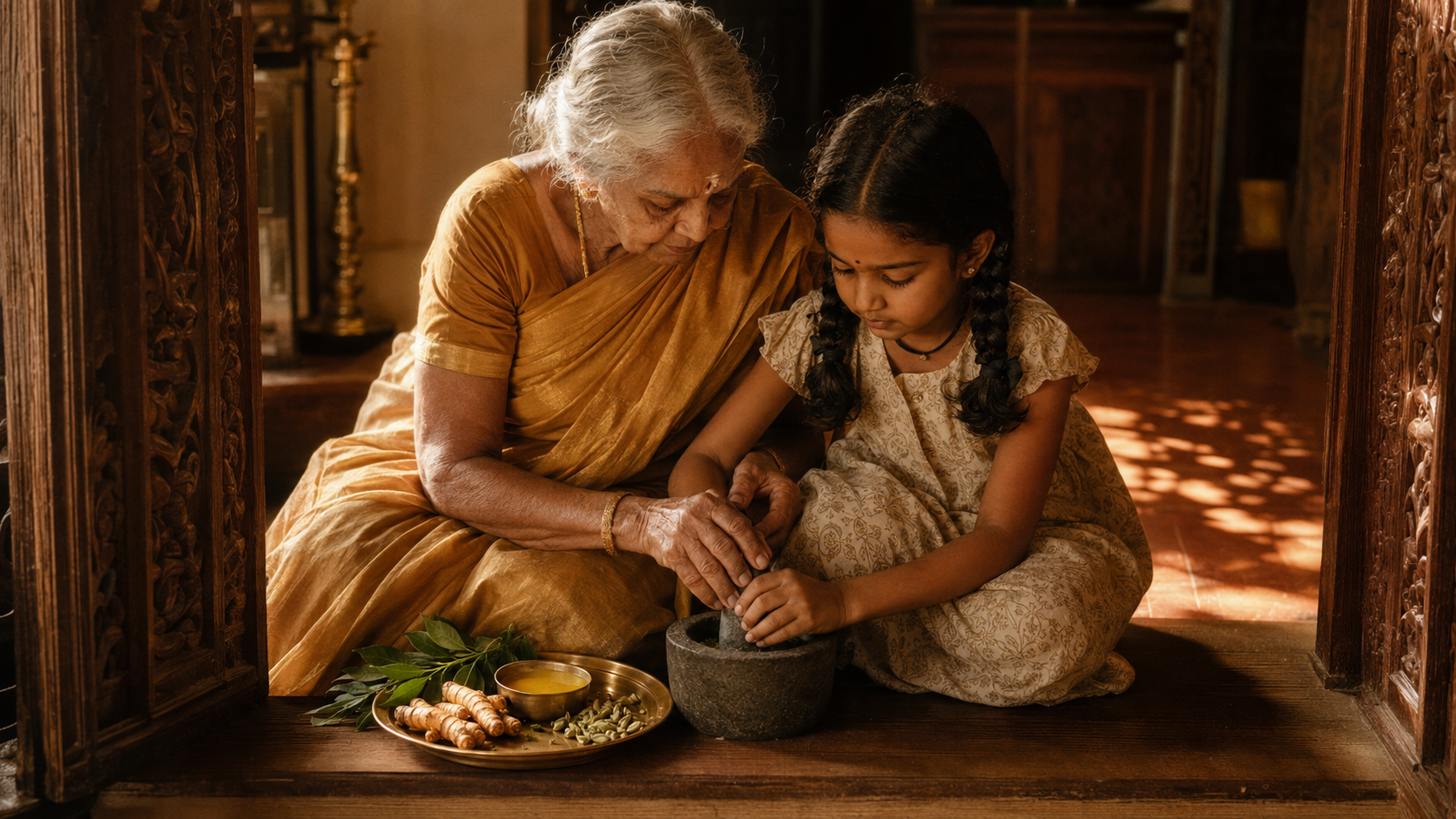
Growing up in the 70s, there was a rule at the table. You eat your greens. You don't leave until they're gone. Nobody explained why. Nobody cited a study. It was just the rule. Your mother said it because her mother said it, and that was the end of the conversation.
We got liver once a week. It tasted like shoe leather — overcooked, tough, and nobody wanted it. But it showed up on the plate every week like clockwork. So did the spinach. So did the beans. Every family had a rotation — certain meals on certain days, certain foods you didn't skip. It wasn't random. It was structure. And nobody questioned it.
What did they know?
The greens weren't optional
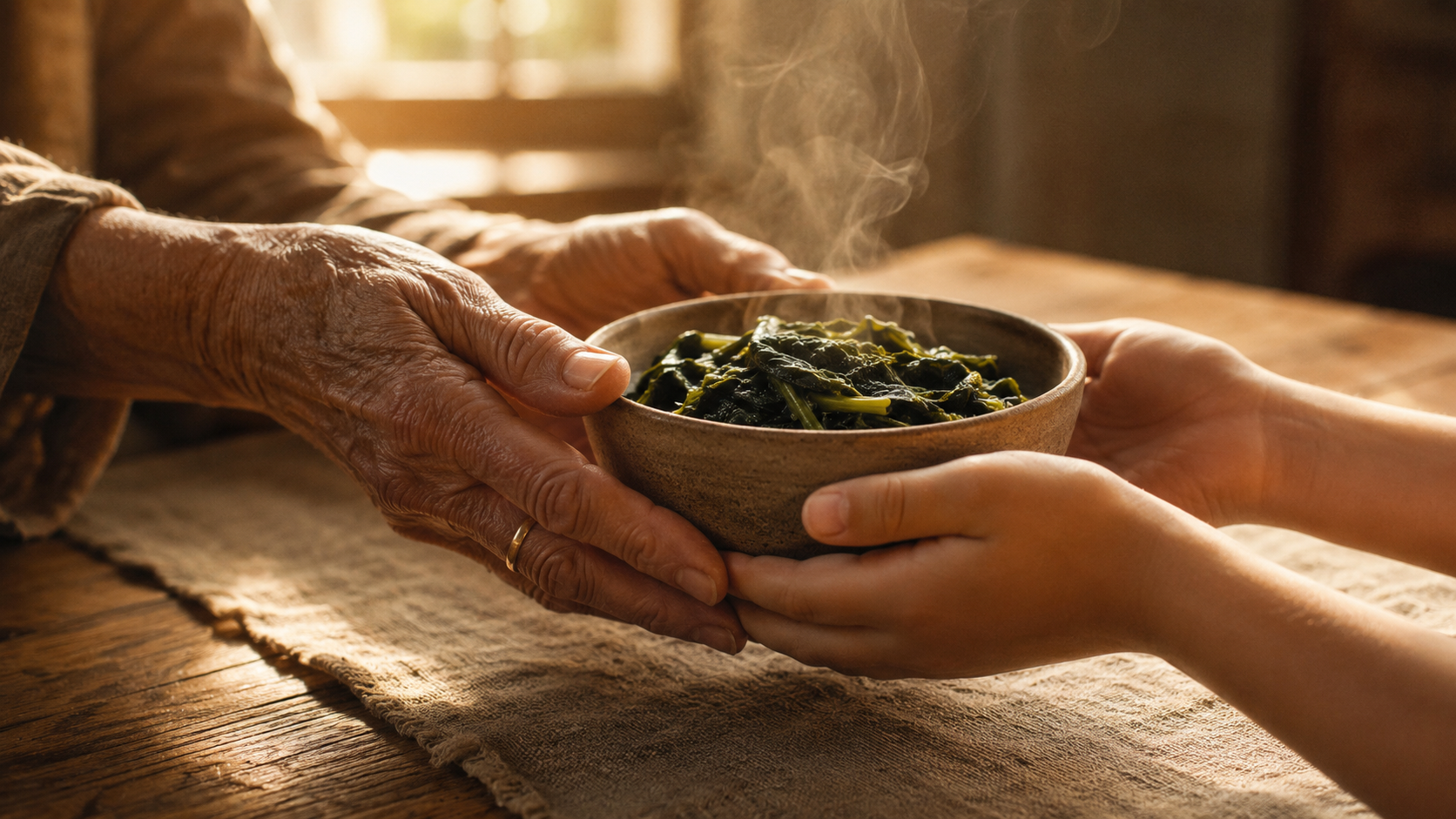
When your grandmother told you to eat your spinach, she probably didn't know it was one of the richest natural sources of folate — the B vitamin that feeds the methylation cycle, supports neurotransmitter production, and helps the body process homocysteine. She didn't know about MTHFR or B12 recycling or the one-carbon cycle. She just knew you needed it. How?
When your family put liver on the table once a week, they probably didn't know it was one of the richest whole-food sources of B12, riboflavin (B2), iron, and retinol you could put on a plate. They didn't know that B2 is the cofactor MAO-A needs to function. They didn't know that low iron can contribute to fatigue, poor concentration, and in some people symptoms that feel a lot like brain fog or anxiety. They just knew you ate it. Once a week. No exceptions.
Were they guessing? Or were they passing down something that had been observed and refined over generations — long before anyone had a name for it?

This goes back a lot further than the 70s
Ayurvedic traditions — thousands of years old — built their entire food framework around body type. Not calories. Not macros. Body type. The idea was that different people need different foods, prepared different ways, at different times of day. A warming food for one person might be wrong for another. They didn't have DNA testing. But they were asking the same question: what does this body need?
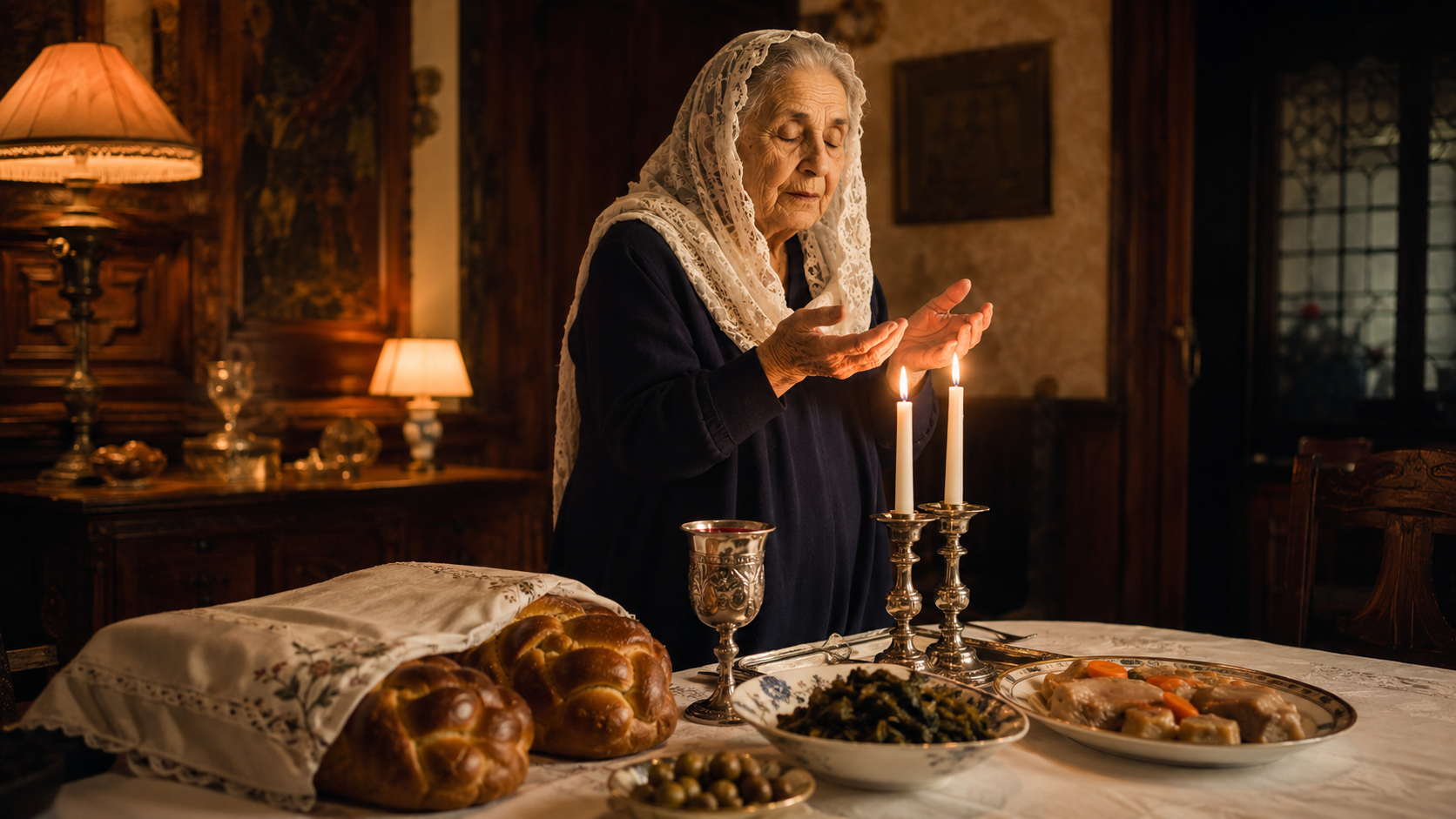
In Jewish tradition, a rabbi doesn't just lead prayer. Historically, the rabbi guided what a community ate. Kashrut — the kosher laws — isn't just about what's permitted. It's a system of food preparation, combination, and timing that's been followed for thousands of years. Why would a religion encode food rules so deeply into daily life if food didn't matter at that level?
Traditional Chinese medicine matched foods to organ systems and to the seasons. Traditional Mediterranean eating patterns centered on olive oil, fish, legumes, and greens — and modern research has repeatedly linked that pattern to better cardiovascular health. Indigenous cultures across the Americas, Africa, and the Pacific all developed specific food practices tied to health, fertility, strength, and mental clarity — passed down through oral tradition, not textbooks.
These weren't trends. These weren't fads. These were systems that survived for centuries because they worked well enough that people kept passing them down.
Different traditions arrived at overlapping conclusions: food matters, preparation matters, and different bodies may do better with different patterns.
What changed?
Somewhere along the way, we stopped listening to the table and started listening to the screen. Food became about convenience, speed, packaging, and marketing. If it was on a shelf and it had a label, it was food. If it was on TV, it must be fine.
The weekly liver disappeared. The mandatory greens became optional. The family food rotation gave way to whatever was fastest. The generational knowledge — the thing your grandmother knew without being able to explain it — got replaced by commercials.
And here's the question worth sitting with: did we get healthier? Are people sleeping better? Thinking more clearly? Feeling less anxious? Are kids doing better than they were when they had to eat their spinach before they left the table?
What genetics is showing us
Now we have tools that can look at individual gene variants and map them to the specific nutrients those enzymes need to function. We can see that someone with a slower MAO-A pathway may be more sensitive to riboflavin status — and that liver is one of the richest sources of riboflavin on earth. We can see that someone with MTHFR variants may benefit from natural folate — and that spinach, lentils, and asparagus are among the best sources. We can see that someone with VDR variants may need to pay closer attention to vitamin D intake and overall vitamin D status — and that salmon and eggs have been staple foods in northern cultures for as long as anyone can remember.
Is it possible that what genetics is now identifying — the specific nutrients that specific bodies need — is the same thing those traditions were already providing? Not through science, but through observation? Through paying attention to which foods made people feel better, generation after generation, and passing that knowledge forward?
Your grandmother didn't need a gene test. She had a thousand years of mothers before her. And they were paying attention.
In some cases, modern science may be giving biochemical language to patterns older food traditions arrived at through observation.
Where that leaves us
We're not saying go back to 1974. We're not saying overcooked liver is the answer. We're saying that the instinct behind it — the idea that food is specific, that it matters what you eat and when, that the people who came before you might have known something — is worth taking seriously again.
The tools have gotten better. You can look at your own DNA and see which enzymes are running slow and which nutrients they need. You can match that to real, whole foods — not supplements, not powders, not pills from a shelf. And when you do, something interesting happens: the foods that show up are often the same ones your grandmother was already putting on the table.
Maybe she didn't know the science. But she knew the food. And the food was right.
Change the way you eat. Change the way you feel. That's foodZipper.
— B+
Published research cited in this post
Dietary Patterns and Healthy or Unhealthy Aging — PMC
Active Folate Versus Folic Acid: The Role of 5-MTHF in Human Health — PMC
Monoamine oxidase inactivation: from pathophysiology to therapeutics — PMC
foodZipper is free. Your file never leaves your device. Upload your DNA and see your report.